Gaming culture 2026 is no longer a niche topic. Gaming influences music, fashion, streaming, online identity, live events, and even the way audiences interact with entertainment. The industry is not just creating games anymore—it is shaping culture at scale.
Gaming and streaming are fully connected
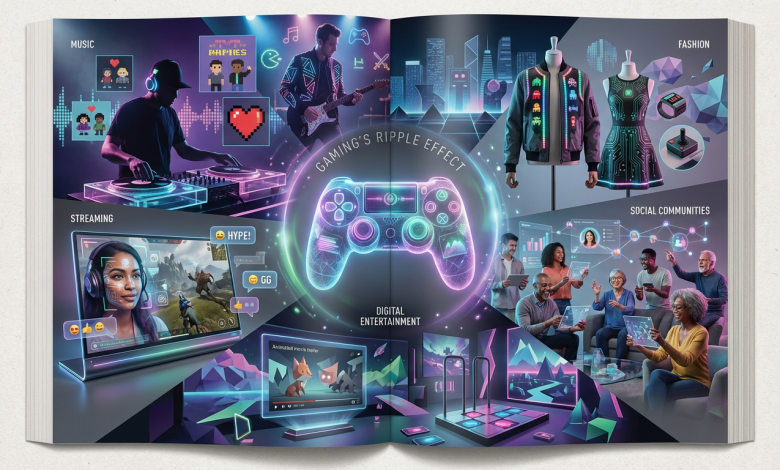
Streaming has turned gameplay into performance. Viewers do not only play games—they watch them, react to them, clip them, and build communities around them. This has helped gaming become one of the most visible parts of internet entertainment.
Music, fashion, and gaming now overlap
Gaming aesthetics continue to influence how brands, artists, and creators present themselves. From esports-inspired streetwear to game-themed concerts and collaborations, interactive culture has become part of modern entertainment identity.
Gaming communities drive conversation
Large gaming communities can shape trends faster than traditional media cycles. A single patch, release, creator opinion, or viral clip can dominate online discussion for days. That makes gaming communities some of the most active digital audiences in the world.
Games are social spaces now
Players increasingly use games as places to hang out, talk, compete, and share experiences. For younger audiences especially, gaming is not separate from social life—it is part of how social life happens.
Why gaming culture matters in 2026
- it influences how entertainment is discovered,
- it shapes creator careers and online communities,
- it drives brand partnerships and digital events,
- and it keeps redefining what mainstream culture looks like.
If you are covering gaming culture in 2026, the most important angle is understanding that gaming is not just an industry vertical anymore. It is one of the central forces shaping online entertainment and digital identity.