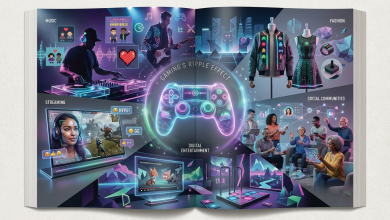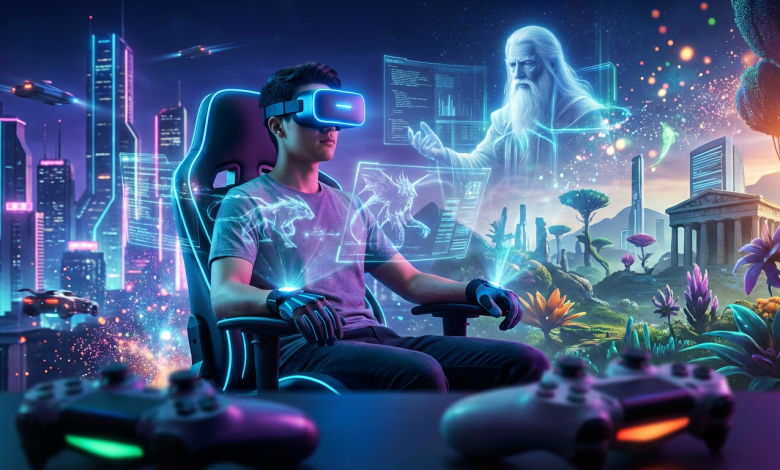
The future of gaming 2026 is being shaped by a mix of AI tools, immersive hardware, cloud distribution, creator culture, and more personalized player experiences. The biggest innovation is not any single device or feature—it is the way these technologies are starting to work together.
AI is changing how games are built and experienced
AI is becoming more useful behind the scenes, helping studios test systems, support content workflows, and improve live service operations. For players, that can lead to smarter recommendations, more adaptive onboarding, and a smoother overall experience.
VR and mixed reality continue to evolve
Immersive gaming still has major long-term potential because the hardware keeps improving. Better ergonomics, stronger displays, and more polished software experiences are making virtual and mixed reality feel more practical for longer play sessions.
Cloud and cross-device gaming expand access
The future of gaming 2026 also depends on convenience. Players increasingly expect their progress, libraries, and communities to move with them across devices. As streaming technology improves, more premium experiences become accessible without top-tier hardware.
Creators are part of the product loop
Games are no longer isolated experiences. Streamers, competitive players, and short-form content creators all influence what gets popular and what stays relevant. This changes the way games are marketed, updated, and discussed.
Innovation now means integration
In earlier eras, innovation often meant better graphics or faster consoles. In 2026, innovation means bringing multiple systems together: hardware, AI, social tools, content pipelines, and player identity. The best gaming experiences are becoming more connected, more social, and more persistent.
That is why the future of gaming in 2026 looks bigger than just a single platform shift. It is a broader transition toward gaming as an always-on entertainment ecosystem.